For more than a decade, Azealia Banks has occupied pop culture as a kind of permanent combustion engine: brilliant, self-sabotaging, hilarious, volatile. Her music career has long felt suspended between flashes of genius and endless collapse. That is precisely why Zenzealia, her newly released hour-long guided meditation album, lands with such strange force. Nobody expected this record. That unpredictability is what makes it one of the most pioneering releases of 2026.
Released independently through her Pleasure Place imprint and co-produced with Swedish electronic musician Kornél Kovács, Zenzealia abandons nearly every hallmark associated with Banks’ earlier work: the razor-edged rap cadences, acidic club production, and confrontational persona. Instead, the album unfolds as a spoken-word ambient meditation suite built around breath work, chakra imagery, affirmations, and healing frequencies.
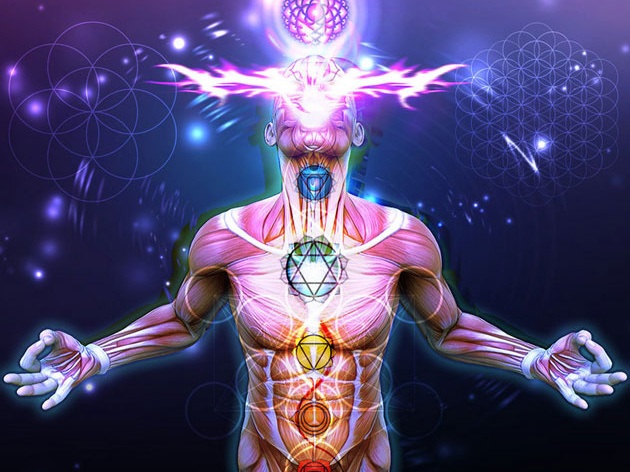
The project’s structure resembles wellness audio more than a conventional LP. Tracks like Solar Plexus, Third Eye, and Crown move through guided relaxation exercises accompanied by drifting synthesizers and soft atmospheric textures. Critics and listeners alike initially reacted with disbelief. One Reddit user joked that fans had “waited five years to get a vegan meditation album,” while others admitted the experience was unexpectedly calming.

Yet Zenzealia is pioneering precisely because it weaponizes contradiction. Wellness culture has already been absorbed by influencers, tech companies, and lifestyle brands, but almost never by a figure as publicly chaotic as Banks. The irony of one of music’s most notoriously combative personalities releasing an album devoted to inner peace gives the project conceptual tension that many polished ambient records lack. Even listeners mocking the album seem fascinated by it.
More importantly, the album expands the boundaries of what a rap artist can release without abandoning authorship altogether. André 3000’s flute experiments and Lil Jon’s recent meditation project opened adjacent doors, but Banks pushes the idea further by fully replacing songs with guided consciousness exercises. In an industry obsessed with algorithmic attention spans, Zenzealia asks listeners to sit still for 66 uninterrupted minutes.
That alone feels radical, and has trippy, psychedelic production nuances akin to a DMT trip.
The album may not rehabilitate Banks’ reputation, nor silence criticism surrounding her controversies. Some listeners have called it absurd, self-indulgent, even AI-generated. But pioneering art is often confusing before it becomes influential. Zenzealia succeeds less as a traditional album than as an act of genre sabotage, a meditation tape dropped into rap culture like a smoke bomb. It’s genius, healing, poetic, conscious, intelligent, and we absolutely love it.