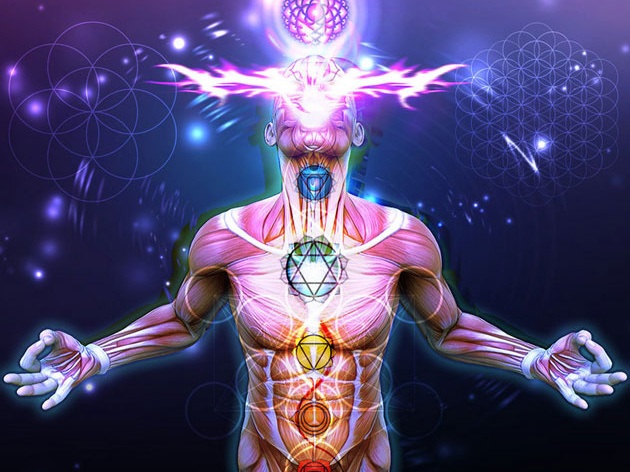
The “DMT realm” refers to the vivid, immersive experiences reported after taking N,N-Dimethyltryptamine (DMT), a powerful psychedelic compound found naturally in some plants and in trace amounts in mammals. Although many users describe entering a seemingly real alternate world inhabited by geometric structures, landscapes, or intelligent “entities,” there is currently no scientific evidence that the DMT realm is an objectively existing place. Researchers instead view these experiences as altered states of consciousness generated by changes in brain activity, although the exact mechanisms remain under investigation.
Online communities such as Reddit and DMT forums contain thousands of reports with striking similarities. Common themes include encounters with “machine elves,” insect-like beings, alien intelligences, impossible architecture, and feelings of entering a hyper-real dimension. Some users believe these entities are independent intelligences, while others interpret them as symbolic manifestations of the subconscious. Although these recurring themes are fascinating, researchers caution that anecdotal reports cannot establish whether the experiences reflect external reality.
Universities are now studying DMT more rigorously. At Imperial College London, scientists have developed “extended-state DMT” (sometimes called DMTx), using an intravenous infusion that maintains the psychedelic state for around 30 minutes, much longer than the typical experience.


Their goal is not to prove another dimension exists, but to investigate consciousness, brain function, and whether prolonged experiences reveal consistent psychological patterns. Researchers are also examining DMT as a potential treatment for depression, with early clinical trials showing rapid symptom improvements in some patients when combined with psychotherapy. Larger studies are still needed before it can become an established medical treatment.
A standard inhaled or vaporized DMT experience typically lasts 5 to 20 minutes, with peak effects occurring within the first few minutes. Intravenous administration generally lasts 10 to 30 minutes, depending on dose. Extended infusion techniques used in research can keep volunteers in the altered state for approximately 30 minutes, and researchers believe longer durations may eventually be feasible under tightly controlled laboratory conditions. Importantly, although the objective duration is short, many participants report profound distortions of time, describing experiences that feel like hours, days, or even lifetimes.
Overall, the DMT realm remains one of neuroscience’s most intriguing mysteries. The consistency of many reports has motivated scientific investigation, but there is still no evidence that DMT users are accessing another physical dimension. Current research focuses instead on understanding consciousness, the brain’s construction of reality, and whether DMT may have therapeutic value for psychiatric disorders.