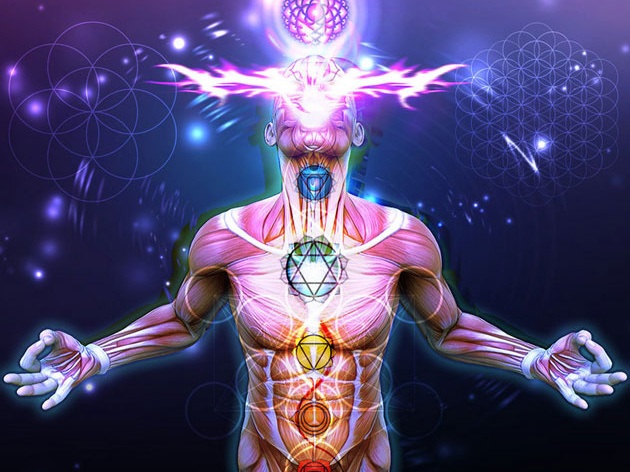
In a world dominated by artificial intelligence, digital overload, constant notifications and increasing social division, yoga offers something more revolutionary than ever: the ability to return to ourselves. Far beyond a workout or a trend, yoga is an ancient technology of consciousness, a practice designed to unite the body, mind and spirit. In 2026, as humanity navigates rapid technological change and emotional uncertainty, this peaceful discipline provides a pathway towards balance, compassion and inner evolution.
The physical benefits of yoga are widely recognised. Through asanas, the traditional postures of yoga, practitioners develop strength, flexibility, balance and body awareness. Movements such as downward-facing dog (Adho Mukha Svanasana), warrior poses (Virabhadrasana), tree pose (Vrikshasana) and headstands (Sirsasana) challenge the body while creating a deeper connection between breath and movement. Yoga can improve posture, mobility, circulation and nervous system regulation, helping people counteract the effects of modern lifestyles spent sitting, scrolling and living at high speed.
However, the true power of yoga extends beyond the physical. The ancient yogic philosophy teaches that the body is a gateway to higher awareness. Through meditation, breathwork (pranayama) and mindfulness, yoga helps calm the nervous system, reduce stress and create emotional resilience. In a time when anxiety, loneliness and burnout are widespread, yoga provides a sanctuary where people can reconnect with presence, stillness and self-compassion.

At the heart of yoga are the Yamas and Niyamas, ethical principles that guide a conscious way of living. Ahimsa, meaning non-violence, encourages compassion towards all living beings and is deeply connected with the philosophy of veganism. Choosing kindness towards animals, the planet and ourselves reflects the yogic belief that all life is interconnected.
Satya, the principle of truth, invites us to live authentically and reject illusions created by ego, fear or social pressure. In an era of misinformation and carefully curated digital identities, embracing truth has become a radical act. Brahmacharya, often translated as moderation or wise use of energy, teaches balance, helping us move away from excess and towards intentional living.

Different forms of yoga offer unique pathways depending on individual needs. Hatha yoga focuses on physical alignment and traditional postures, while Vinyasa connects movement with breath through flowing sequences. Ashtanga offers a disciplined and transformative practice, Kundalini explores energy awakening through meditation and mantra, Yin yoga encourages deep relaxation and emotional release, and Bhakti yoga uses devotion and love as a path towards spiritual connection.
The future of yoga is not about escaping the modern world, but transforming how we exist within it. As technology becomes more powerful, humanity must become more conscious. Yoga reminds us that true evolution is not only external, but internal.
In 2026, yoga is more than a wellness practice. It is a philosophy for creating a more peaceful, compassionate and connected world, one breath, one movement and one conscious choice at a time.