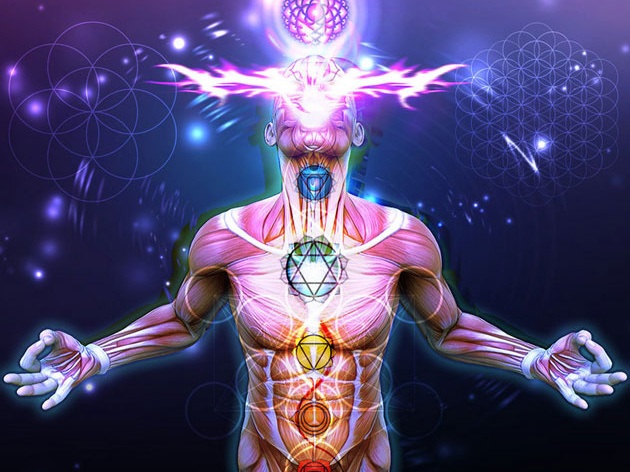
A regulated nervous system directly changes how a person is perceived in social environments. When the body exits chronic stress states defined by elevated cortisol and sympathetic activation, it enters a parasympathetic dominant mode driven by the vagus nerve. This shift produces clear, measurable biological and behavioral changes that enhance social connection.
Heart rate variability increases in this state, reflecting precise autonomic balance and emotional stability. High HRV is a validated physiological marker linked to improved emotional regulation, adaptability, and social engagement. This is not subjective. It is a quantifiable change in how the body functions under conditions of safety rather than threat.
Vagus nerve activation also alters facial musculature and vocal output. The muscles responsible for eye contact, facial expression, and vocal tone are directly regulated by cranial nerve pathways associated with the vagal system. As a result, facial expressions become more dynamic and responsive. The eyes appear softer and more engaged. The voice slows, deepens, and gains tonal variation. These outputs are consistently interpreted by others as warmth, confidence, and presence.
At the same time, oxytocin levels rise in regulated states. Oxytocin plays a central role in social bonding, trust formation, and reduction of perceived threat. Elevated oxytocin shifts interpersonal dynamics by making interactions feel safer and more stable. This biochemical change directly influences how others experience and respond to an individual.
Human perception is highly sensitive to micro signals. Posture, breath patterns, vocal tone, and facial expression are processed rapidly and often unconsciously. A dysregulated nervous system produces tight facial expressions, shallow breathing, reduced vocal warmth, and closed body language. These signals are reliably interpreted as stress or unavailability. A regulated system produces the opposite pattern, signaling safety, openness, and confidence.
These physiological and behavioral changes create a consistent effect. A regulated nervous system increases perceived attractiveness by enhancing social signaling, emotional stability, and interpersonal safety. This is a direct outcome of autonomic function, neurochemistry, and observable behavior working together.