
In a city saturated with plant based hype, Holy Carrot Portobello stands apart not by shouting the loudest, but by quietly delivering one of the most thoughtful, delicious, and nutritionally intelligent vegan dining experiences in the world. This is not just a great vegan restaurant. It is a great restaurant, full stop.
What immediately sets Holy Carrot apart is its Evening Experience Menu, which feels more like a carefully composed symphony than a sequence of dishes. At a price point that is refreshingly fair for London, especially when compared to overhyped heavyweights like Gauthier Soho, the value is undeniable. Where some tasting menus lean into theatrical minimalism at the expense of satisfaction, Holy Carrot manages generosity, balance, and depth. You leave nourished, not just impressed.
The Koji Flatbread alone could justify the visit. Warm, pillowy, and deeply savoury, it arrives brushed with olive oil and Maldon salt, carrying the unmistakable umami richness of fermentation. It is paired with smoked mushroom chilli ragu, smoked cashew cream, and a hazelnut salsa macha that brings heat, fat, and crunch into perfect alignment. This is comfort food elevated through technique, not ego.

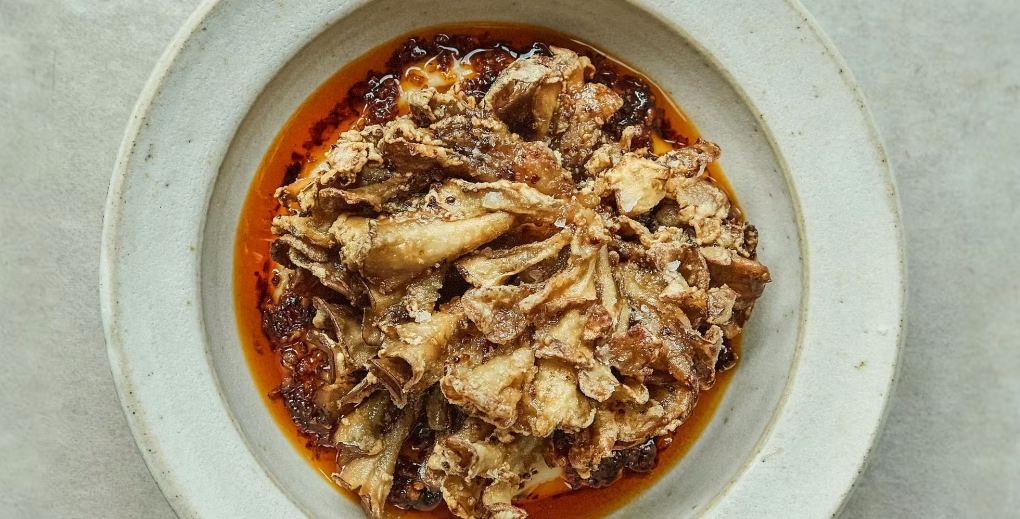
Dish after dish showcases an obsessive understanding of flavour and nutrition. Beetroot ezmé with chilli, blueberry, pine nuts, and crema hits sweet, acidic, and earthy notes while delivering a micronutrient dense punch of antioxidants and minerals. Coal roasted leeks with aji corn and almond romesco are smoky and indulgent, yet packed with fibre, potassium, and healthy fats. Even the oyster mushroom tostada, layered with roasted koji mole, feels engineered for both pleasure and nourishment.
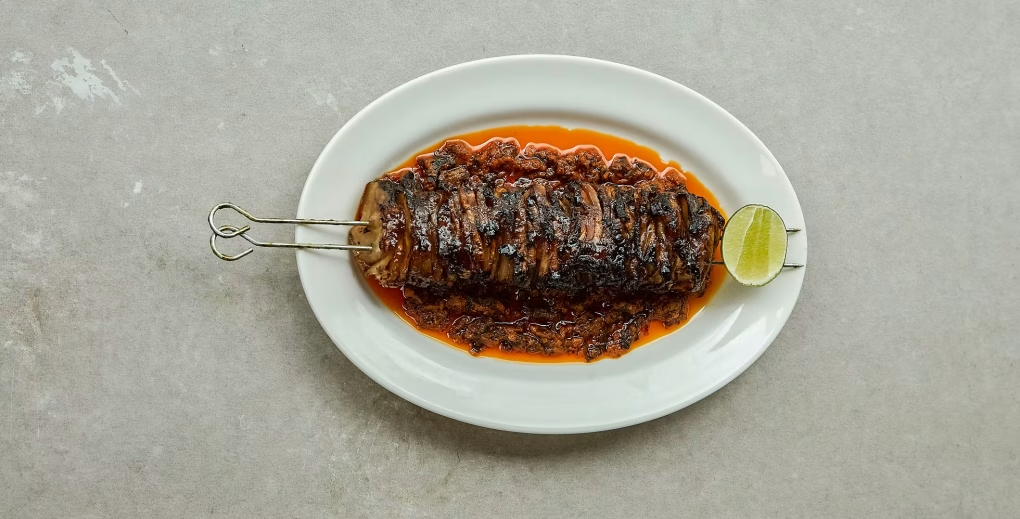
This is where Holy Carrot truly excels. The macro balance is impressive, with ample plant protein from nuts, legumes, and fermentation, but it is the micronutrient diversity that quietly steals the show. Fermented elements boost gut health and mineral absorption. Live fire cooking enhances flavour without masking the integrity of the vegetables. Seasonal produce means vitamin density is high and nothing feels tired or decorative.
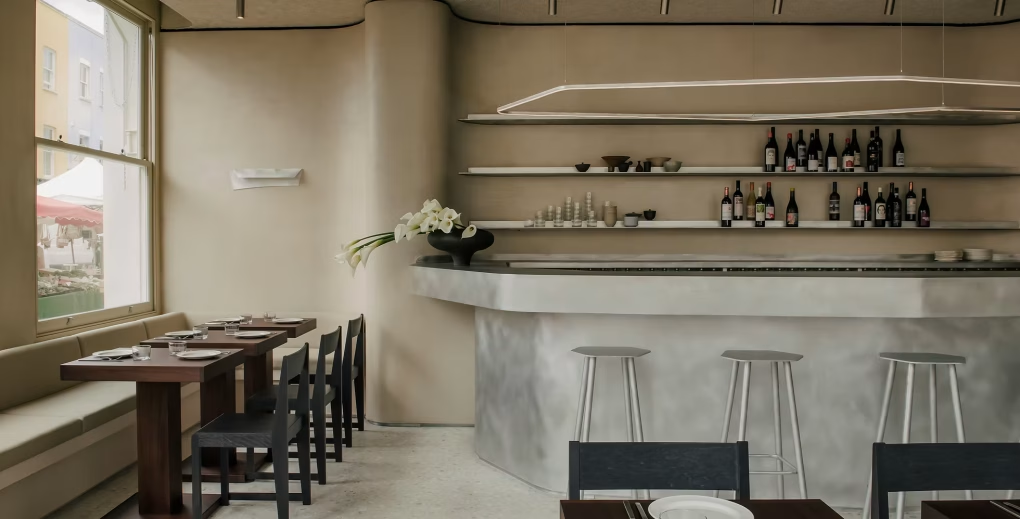
Compared to places like Gauthier Soho, which often feel trapped in a legacy fine dining mindset, Holy Carrot is alive, modern, and confident. There is no need to mimic meat or lean on nostalgic French structures. Vegetables are the protagonists here, celebrated from root to leaf, and treated with genuine respect.
That respect extends beyond the plate. The staff are warm, knowledgeable, and refreshingly unpretentious. They talk about fermentation, sourcing, and fire with enthusiasm rather than script. You feel welcomed, not managed. It is the kind of service that makes you want to linger, order another cocktail, and trust the kitchen completely.
Behind it all is a compelling story. Founder Irina Linovich’s deep connection to seasonal produce and sustainability blends seamlessly with Chef Daniel Watkins’ mastery of live fire and fermentation. Together they have created something rare, a restaurant where ethics, flavour, design, and nutrition align without compromise.
Holy Carrot is proof that vegan food does not need to be preachy, performative, or prohibitively expensive to be world class. It just needs care, intelligence, and soul. In a global conversation about sustainable dining, Holy Carrot is not following trends. It is setting the standard.