In recent years, the intersection of nutrition, ethics, and self-optimization has led to increased public interest in unconventional wellness practices. One such topic – often discussed in fringe health communities but seldom explored in mainstream scientific discourse – is the self-consumption of semen, particularly in the context of individuals who follow strict health regimens, including veganism, alcohol abstinence, and toxin-free living.
This article aims not to sensationalize, but to examine the practice through biological, philosophical, and nutritional lenses.
Semen: A Basic Composition
Semen is a fluid composed primarily of water, sugars (like fructose), proteins, amino acids, enzymes, zinc, and trace minerals. The average ejaculate is approximately 3-5 milliliters and contains:
- Fructose and Glucose: Simple sugars used for sperm motility.
- Proteins and Enzymes: Supportive molecules for cell function.
- Citric Acid: Acts as a natural antioxidant.
- Zinc: Important for immune function and reproductive health.
- Sperm Cells: Carry DNA, but represent a small fraction of total volume.
While not calorically significant (around 5–7 calories per ejaculate), semen contains biologically active compounds that are technically digestible and harmless when produced by a healthy, well-nourished individual.
Veganism and the “Self” Loop
Veganism is rooted in the ethical rejection of exploiting animals for food or other products. However, when it comes to self-produced bodily fluids, the ethical question becomes more philosophical than practical. Semen is a product of one’s own body, not sourced from animals or other humans. Thus, consuming one’s own semen does not violate the core tenets of veganism, which are based on preventing harm to sentient beings.
In this sense, the act resembles practices such as drinking breast milk or amniotic fluid encapsulation in postpartum care – both considered natural, closed-loop biological recycling.
Purity and the “Life Force” Concept
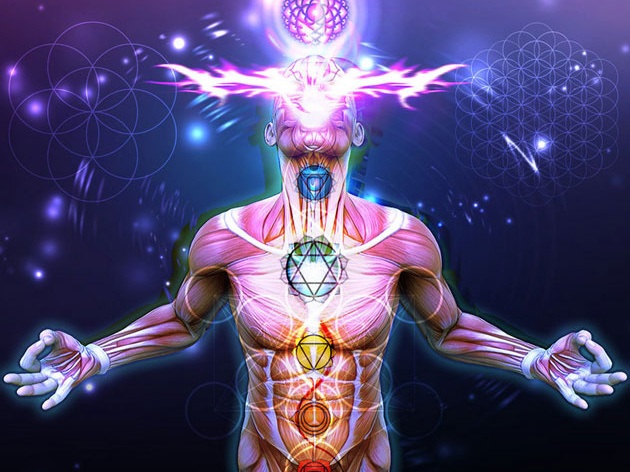
For individuals who abstain from alcohol, processed foods, and environmental toxins, semen could be seen as an ultra-purified byproduct of the body. In certain Eastern traditions (Taoism, Tantra), semen is even considered “jing” or essential life energy – a potent, condensed source of vitality.
While Western science does not use the terminology of “life force,” it does recognize that the body invests considerable resources (nutrients, minerals, and energy) in producing sperm. From that view, ejaculation is a metabolic investment, and its reabsorption (via internal recycling or consumption) could be viewed as a form of energy retention or closed-system replenishment.
Health Risks and Considerations
Biologically, there are no known health risks to consuming one’s own semen, provided the individual is free of infections, toxins, or underlying illnesses. Semen is sterile when it exits the body, and self-ingestion poses negligible immunological concerns. However, it is not a “superfood” in the traditional sense – its nutritional benefits are minor compared to whole plant-based foods.
Also worth noting: frequent ejaculation, or abstaining from it altogether, can have varying effects on mood, hormone levels, and prostate health, depending on individual physiology. Semen retention and redirection are controversial topics within wellness circles and are not yet fully substantiated by clinical studies.
Psychological and Philosophical Implications
For some, semen consumption may be symbolic – an act of reclaiming or recycling one’s creative or vital essence. In psychoanalytic theory, such an act might be interpreted as a way of confronting taboos around sexuality, purity, and self-worth. In spiritual frameworks, it can be seen as honouring the cyclical nature of bodily processes, rather than discarding them.
Conclusion
While the self-consumption of semen may appear unorthodox, it is, from a scientific and ethical standpoint, relatively benign – especially in individuals who maintain a clean, healthy lifestyle. Though it offers minimal direct nutritional benefit, the act may hold symbolic or philosophical resonance for those seeking a deeper connection with their own biology, energy, and wellness journey.
Future research might further explore the psychosomatic and metabolic dimensions of such practices. Until then, this remains a personal choice – rooted less in nutrition than in intention.